
Report a question

Life in the UK Test – Chapter 4: A Modern, Thriving Society
What This Chapter Covers
Chapter 4 is all about life in the UK today. You’ll learn about British culture, traditions, sports, art, music, and religion. This chapter also covers famous British landmarks, important festivals, and what makes modern British society tick. Think of it as a guide to understanding everyday life and what people in the UK care about.
Why Chapter 4 Shouldn’t Be Ignored
Some people think Chapter 4 is the “easy” chapter because it covers things like sports and holidays. That’s a mistake. Yes, it’s more interesting than memorizing dates from medieval times, but the test still asks very specific questions.
You need to know which sport is which, who invented what, and where famous landmarks are located. Getting these wrong is frustrating because they’re the kind of questions that feel like you should know them. The test might ask about the Ashes, the Grand National, or who wrote famous books. These aren’t just general knowledge questions – they’re testing whether you’ve actually studied.
Chapter 4 also matters because it shows you understand what life in the UK is really like. The Home Office wants to know that you’re familiar with British culture and traditions, not just history and politics.
The Main Topics You’ll Study
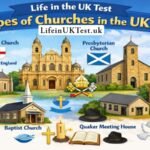
Religion in the UK: Britain is historically a Christian country, but it’s also very diverse now. You need to know about the Church of England, the Church of Scotland, and other major religions practiced here. Know that the monarch is the head of the Church of England.
Customs and Traditions: This includes bank holidays, celebrations like Christmas and Easter, and uniquely British traditions. You should know the main public holidays and what some traditional festivals involve.
Sport: The British take their sports seriously. You’ll need to know about football, cricket, rugby, tennis, golf, and other popular sports. Questions often ask where events are held or what’s special about certain competitions. For example, Wimbledon is tennis, the Six Nations is rugby, and cricket has the Ashes series between England and Australia.
Arts and Culture: British contributions to literature, music, film, and art are huge. Know some famous authors like Shakespeare, Dickens, and Jane Austen. You might get questions about famous British actors, musicians, or artists.
Landmarks and Geography: Where is the Lake District? What’s special about the Giant’s Causeway? Where would you find Edinburgh Castle? These geography questions appear regularly.
British Inventions and Innovations: Britain has produced many world-changing inventions. From the television to the World Wide Web, you should know who invented what and roughly when.
Media and Entertainment: The BBC, British films, television shows, and how media works in the UK. This is part of understanding modern British culture.
Food and Drink: Traditional British food and the diverse cuisine now available. While this isn’t heavily tested, questions can appear about traditional dishes or customs around food.
Tips for Remembering Chapter 4 Content
Connect Sports to Venues: Wimbledon goes with tennis, Lord’s Cricket Ground with cricket, Wembley with football. Making these connections helps you remember both the sport and the place.
Learn in Categories: Don’t jump around randomly. Spend one study session on sports, another on literature, another on traditions. Your brain likes organization.
Watch for Tricky Details: The Grand National is horse racing, not the name of a football stadium. The Ashes is cricket between England and Australia, not a rugby trophy. Details like this trip people up.
Know Your Bank Holidays: There aren’t that many, so learn them properly. Some are religious (Christmas, Easter), others aren’t (May Day, Summer Bank Holiday).
Remember Key Festivals: Burns Night, St. David’s Day, St. Patrick’s Day, St. George’s Day – know which nation celebrates which saint and when.
Focus on the Famous Names: You don’t need to know every British author who ever lived, but you should definitely know Shakespeare, Dickens, Austen, and other major figures mentioned in the official handbook.
Common Mistakes to Avoid
Assuming You Know Sports: Even if you follow British sport, the test asks specific questions. Which trophy? Which venue? Which countries compete? Study the details.
Mixing Up Patron Saints: England has St. George, Scotland has St. Andrew, Wales has St. David, Northern Ireland has St. Patrick. Getting these mixed up is an easy mistake.
Forgetting the Church Details: Know that the Church of England and the Church of Scotland are different. The monarch heads the Church of England but not the Church of Scotland.
Skipping Geography: Where are the major cities? Where are famous landmarks? These questions appear more often than you’d think.
Why This Chapter Deserves Your Time
Chapter 4 might seem less critical than chapters on history or government, but questions from this chapter definitely appear on your test. Plus, this is information you’ll actually use when living in the UK. Knowing about British culture and traditions helps you fit in and understand the people around you.
It’s also one of the more enjoyable chapters to study. Learning about sports, festivals, and famous British contributions to the world is genuinely interesting. Use that to your advantage – the more engaged you are, the better you’ll remember things.
Use Our Practice Quizzes
Our Chapter 4 quizzes cover all the important cultural topics. They’ll help you figure out if you really know the difference between rugby and cricket, or if you’re just guessing. The quizzes show you exactly the kinds of specific questions the real test asks.
Take them regularly and pay attention to what you get wrong. Those wrong answers show you exactly what to study next.
Chapter 4 brings British culture to life. Study it properly, and you’ll not only pass the test – you’ll actually understand the society you’re joining. That’s the whole point, isn’t it?