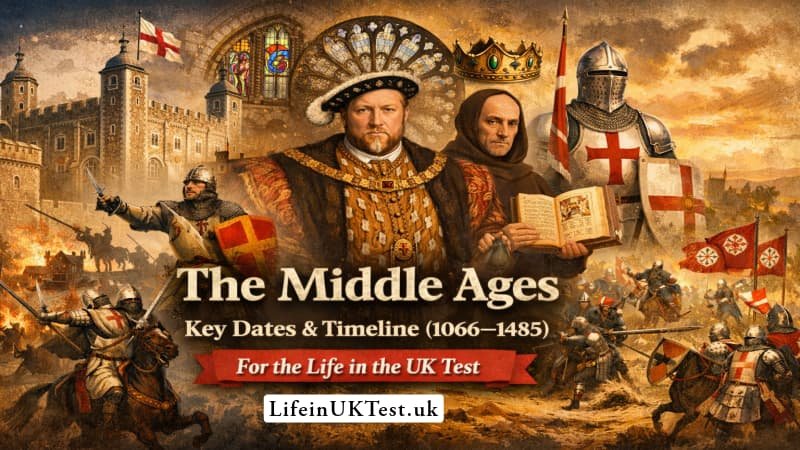
The Middle Ages, or medieval period, has always fascinated me because it shaped so much of the England we know today. Spanning 1066 to 1485, this era begins with the Norman Conquest and ends with the Battle of Bosworth Field, which brought the Tudors to power. From kings and battles to everyday life and religion, England changed in remarkable ways during these centuries. In this article, I’ll guide you through the key dates, events, and developments of the Middle Ages—making it easier for you to understand the history you need for the Life in the UK Test.
The Middle Ages: Key Dates & Timeline (1066–1485)
The Middle Ages: Key Dates & Timeline (1066–1485) – Look, I get it. Medieval history can feel overwhelming with all those battles, kings, and dates flying around. But here’s the thing: the Middle Ages shaped Britain into what it is today. And if you’re preparing for the Life in the UK Test, you need to know this period inside out.
Let me walk you through the essentials without the boring textbook stuff.
Why 1066 Changes Everything
September 1066. That’s when everything shifted. William the Conqueror sailed from Normandy and defeated King Harold at the Battle of Hastings. This wasn’t just another battle—it completely transformed England.
William brought French-speaking nobles, new laws, and a totally different way of running the country. The Domesday Book in 1086? That was William’s way of figuring out exactly what he’d conquered. Think of it as the first major survey of England. Every piece of land, every resource—all written down.
Honestly, you can’t understand British history without grasping what happened in 1066. It’s that significant.
The Timeline That Matters
Here’s what you actually need to remember:
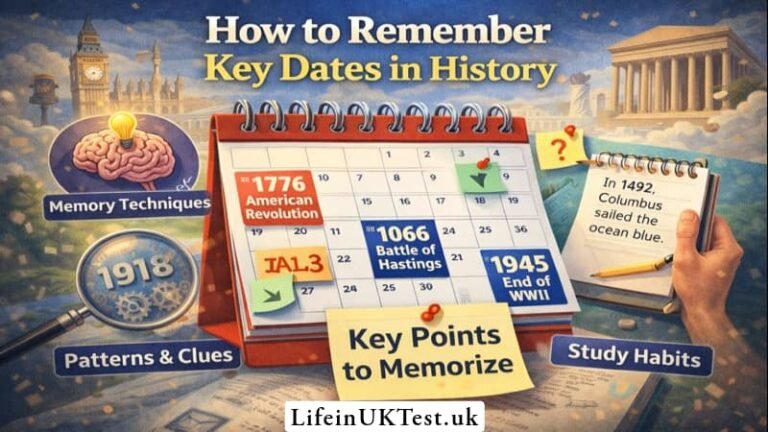
| Year | Event | Why It Matters |
|---|---|---|
| 1066 | Battle of Hastings | Norman Conquest begins—William the Conqueror takes the throne |
| 1086 | Domesday Book | First comprehensive record of English property and resources |
| 1215 | Magna Carta | King John forced to sign—limited royal power for the first time |
| 1284 | Statute of Rhuddlan | Edward I brings Wales under English control |
| 1314 | Battle of Bannockburn | Robert the Bruce defeats English—Scotland stays independent |
| 1348-1350 | Black Death | Plague kills about one-third of Britain’s population |
| 1415 | Battle of Agincourt | Henry V’s famous victory against France |
| 1455-1485 | Wars of the Roses | Civil war between Lancaster and York families |
| 1485 | Battle of Bosworth Field | Henry Tudor defeats Richard III—Tudor dynasty begins |
Magna Carta: The Document Everyone Talks About
June 1215. King John was forced to put his seal on a document at Runnymede. The barons had enough of his heavy taxation and arbitrary rule.
Here’s what makes Magna Carta special: it established that even the king had to follow the law. No one was above it. Sure, it mainly protected the rights of wealthy barons at first, but the principle stuck. This idea influenced democracies worldwide, including the United States Constitution.
For your test, remember: Magna Carta = limiting the king’s power. That’s the core concept.
Wales and Scotland: Not So Simple
Edward I spent years trying to bring Wales and Scotland under English control. With Wales, he succeeded. The Statute of Rhuddlan in 1284 made Wales part of England legally. Edward built massive castles—Conwy, Caernarfon, Harlech—to keep control. You can still visit them today.
Scotland? Different story entirely.
Robert the Bruce fought back hard. The Battle of Bannockburn in 1314 was Scotland’s defining moment. Against a much larger English army, Bruce won decisively. Scotland remained independent. This battle still matters to Scottish identity today.
When the Black Death Arrived
Between 1348 and 1350, the bubonic plague swept through Britain. We’re talking about roughly one-third of the population dying. Villages emptied. Fields went untended. Entire families vanished.
But here’s something they don’t always tell you: the Black Death changed the economy. With fewer workers, ordinary people suddenly had bargaining power. Wages went up. The old feudal system started cracking. Peasants who survived could demand better conditions.
The Peasants’ Revolt in 1381 happened partly because of these changes. People wanted more freedom, better treatment, and lower taxes.
The Hundred Years’ War
This wasn’t actually one war—it was a series of conflicts between England and France from 1337 to 1453. English kings claimed they had a right to the French throne. France disagreed.
Henry V’s victory at Agincourt in 1415 became legendary. Outnumbered English longbowmen destroyed a French army. Shakespeare wrote about it centuries later. That’s how famous it became.
But England eventually lost most of its French territories. By 1453, only Calais remained in English hands.
Wars of the Roses: Family Drama on a National Scale
Picture this: two branches of the same family fighting over the throne for thirty years. That’s the Wars of the Roses (1455-1485).
The House of Lancaster had a red rose symbol. The House of York used a white rose. Both descended from Edward III, and both believed they should rule.
The fighting was brutal. Kings were murdered. Battles shifted power back and forth. Common people got caught in the middle.
Then came 1485. Henry Tudor (Lancaster side) faced Richard III (York side) at Bosworth Field. Richard died in battle—the last English king to die fighting. Henry Tudor became Henry VII and married Elizabeth of York, joining both families.
The Tudor rose combined red and white. Smart move. It symbolized the end of the civil war and the start of a new dynasty.
What the Middle Ages Left Behind
Let’s be real: this period built the foundations of modern Britain. Parliament developed. Common law emerged. The English language evolved from Old English to something closer to what we speak today.
The feudal system gradually broke down. Towns grew. Trade expanded. Universities were founded—Oxford and Cambridge both started in this era.
And those cathedrals? Canterbury, York Minster, Westminster Abbey? Built during the Middle Ages. They’re still standing, still magnificent.
Study Tips for Your Test
Here’s my honest advice: don’t try to memorize every single date. Focus on the big turning points.
Know these cold:
- 1066 and William the Conqueror
- 1215 and Magna Carta
- 1348-1350 and the Black Death
- 1485 and the start of the Tudor period
Understand the why behind each event. The test might ask about consequences, not just dates. Why did Magna Carta matter? How did the Black Death change society? What ended the Wars of the Roses?
Connect events together. The Norman Conquest led to conflicts with Wales and Scotland. The Black Death influenced the Peasants’ Revolt. See the patterns.
One common mistake? Mixing up the Wars of the Roses with the Hundred Years’ War. Completely different conflicts. One was internal (Roses), one was against France (Hundred Years’ War). Don’t confuse them.
Final Thoughts
The Middle Ages weren’t just about knights and castles. This period shaped British law, government, culture, and identity. When you understand what happened between 1066 and 1485, you understand why Britain developed the way it did.
For the Life in the UK Test, focus on the major events and their significance. Know your timeline. Understand the key players. And remember: this isn’t ancient history—it’s the foundation of modern Britain.
You’ve got this. The Middle Ages might seem complicated, but break them down into these key moments, and they make perfect sense.
Key Takeaways
Essential Dates to Remember:
- 1066 – Norman Conquest (Battle of Hastings)
- 1215 – Magna Carta signed
- 1348-1350 – Black Death strikes Britain
- 1485 – Battle of Bosworth Field ends Wars of the Roses
Major Themes:
- Norman Conquest transformed English society and language
- Magna Carta established the principle that everyone, including the king, must follow the law
- Black Death killed one-third of the population but gave survivors more economic power
- Wars of the Roses was a civil war between Lancaster and York families that ended when Henry Tudor united both houses
For Your Test: Focus on understanding why events mattered, not just memorizing dates. Know how 1066 changed England, why Magna Carta remains significant today, and what ended the Wars of the Roses. The test often asks about consequences and significance rather than just dates and names.